


Spring is arguably the best time to visit Istanbul. From March through May, the city transforms with millions of blooming tulips, mild weather that is perfect for walking, and noticeably fewer crowds than the sweltering summer months. If you are planning an Istanbul spring trip in 2026, you are picking a season that offers the ideal balance of pleasant weather, lower prices, and a cultural calendar packed with events. Whether you are drawn to outdoor dining along the Bosphorus, exploring ancient mosques without fighting through tour groups, or simply strolling through parks carpeted in color, here is everything you need to know.
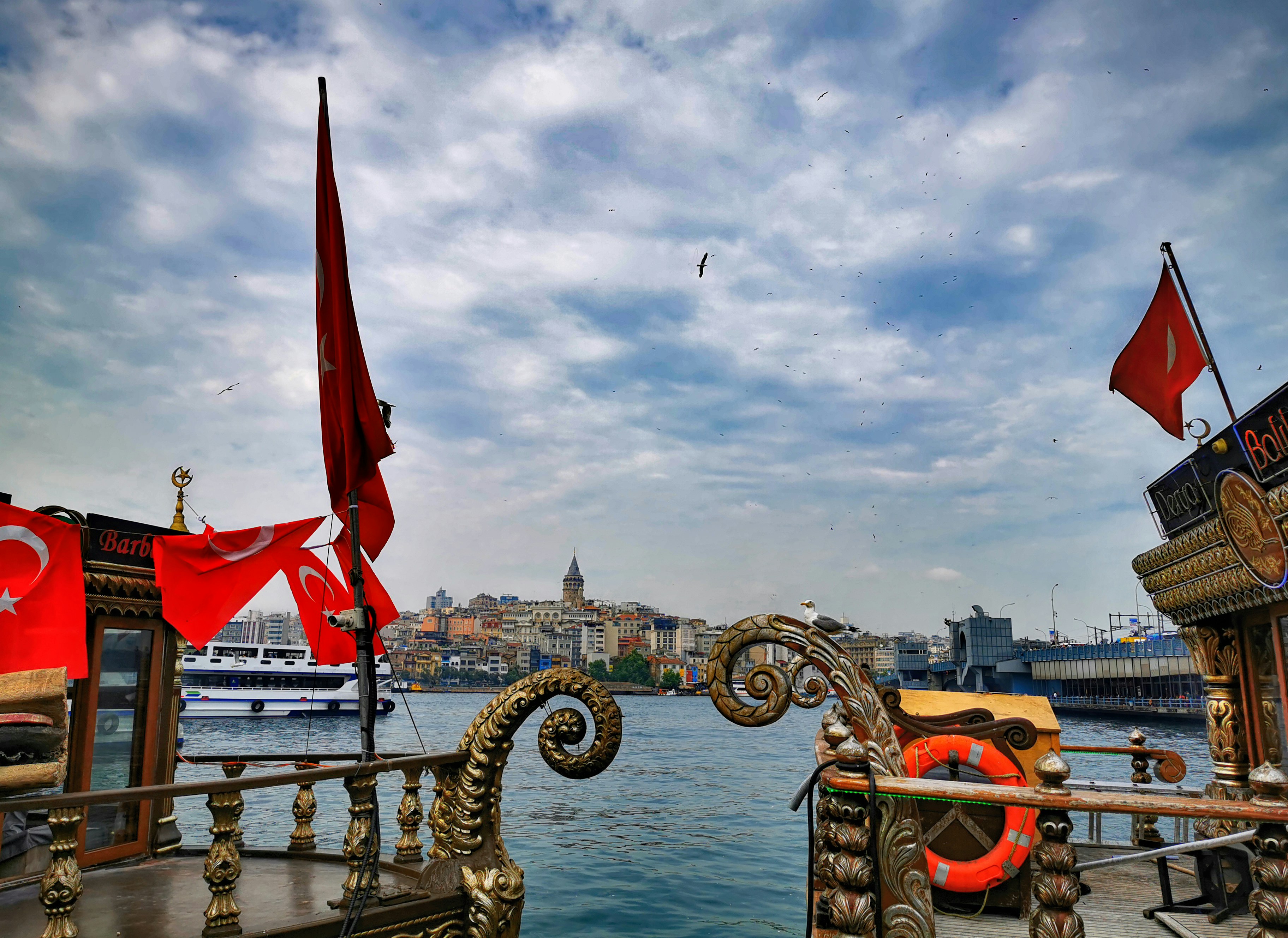
Spring Weather in Istanbul: Month-by-Month Breakdown
Istanbul's spring weather is changeable, so understanding what each month brings will help you plan the right trip.
March
March is early spring, and the city is shaking off winter. Average temperatures range from 7-13°C (45-55°F). Rain is common — expect about 10-12 rainy days during the month. Skies can be overcast, but you will also get crisp, sunny days that feel like a preview of what is coming. Trees start budding toward the end of the month. March is technically still low season, which means thinner crowds and better hotel deals.
April
April is when Istanbul truly comes alive. Temperatures climb to 10-17°C (50-63°F), with a mix of sunshine and occasional showers. This is tulip season — the city's parks explode with color (more on that below). Daylight hours increase noticeably, giving you more time for sightseeing. April sits in the shoulder season sweet spot: warm enough for outdoor activities, cool enough for comfortable walking, and not yet crowded.
May
May is the crown jewel of Istanbul spring. Average temperatures reach a very comfortable 15-22°C (59-72°F), with mostly sunny skies and far less rain than the preceding months. Outdoor dining season is in full swing, Bosphorus boat tours are at their best, and the city has an energy that feels celebratory. May does start to attract more visitors, especially around public holidays, so booking accommodation a few weeks in advance is wise.
What to Pack for Istanbul in Spring
The key word for spring packing in Istanbul is layers. Mornings can be cool, afternoons warm, and a sudden rain shower can appear out of nowhere, especially in March and April. Here is your essential packing list:
Light jacket or cardigan— essential for evenings and cooler March days. A mid-weight layer you can tie around your waist when it warms up.
Waterproof outer layer— a packable rain jacket is more practical than an umbrella for Istanbul's hilly, windy streets. That said, a compact umbrella is also worth having.
Comfortable walking shoes— this is non-negotiable. Istanbul is a city of hills, cobblestones, and uneven pavement. Waterproof shoes are ideal for March; breathable sneakers work for May.
Scarf or shawl— women will need a head covering for mosque visits. A lightweight scarf doubles as a fashion accessory and mosque-ready cover-up.
Sunglasses— the Bosphorus glare in May can be intense. Bring them even if the forecast looks cloudy.
Long pants or a long skirt— needed for entering mosques. Also practical for cooler days. Shorts are fine in May in tourist areas but not inside religious sites.
The Istanbul Tulip Festival
If there is one reason spring stands out from every other season in Istanbul, it is the tulips. Every April, the city plants over 30 million tulip bulbs across its parks, roundabouts, medians, and public gardens. The result is a city draped in color — reds, yellows, purples, and pinks everywhere you look.
Here is a fun bit of history most visitors do not know: tulips did not originate in the Netherlands. They were cultivated in the Ottoman Empire centuries before Dutch traders brought them to Europe. The word "tulip" itself comes from the Turkish word "tülbend" (turban), referring to the flower's shape. Istanbul's tulip festival is, in a sense, a homecoming.
The best places to see the tulips:
Emirgan Park— the main venue and the most spectacular display. Located on the Bosphorus shore, this park plants millions of tulips across terraced hillsides. It hosts the official Tulip Festival events, including live music and art installations. Free entry.
Gülhane Park— right next to Topkapi Palace in Sultanahmet, making it easy to combine with a historical sightseeing day. The tulip displays here are smaller but beautifully arranged against the backdrop of ancient walls. Free entry.
Yıldız Park— a quieter option in Beşiktaş, this former imperial garden is less crowded and feels more intimate. Perfect for a morning walk followed by tea at one of the park cafes.
Sultanahmet Square— the area between Hagia Sophia and the Blue Mosque is planted with geometric tulip beds every year. Photographing tulips with these iconic monuments in the background is a quintessential Istanbul spring moment.
Peak bloom typically occurs in the second and third weeks of April, though this varies slightly each year depending on weather. The festival usually runs from late March through the end of April.
Best Spring Activities in Istanbul
Spring's mild weather opens up activities that are either too hot in summer or too cold in winter. Here are the highlights:
Walking Tours of the Old City
The historic peninsula — Hagia Sophia, Blue Mosque, Topkapi Palace, Basilica Cistern, Grand Bazaar — is best explored on foot, and spring weather makes hours of walking genuinely enjoyable rather than a sweaty endurance test. A full-day walking tour can cover most major sites comfortably. For guided options, see our city tour guide.
Bosphorus Boat Cruises
A cruise up the Bosphorus strait — the waterway that divides Europe and Asia — is a must-do in any season, but spring offers the clearest skies and most comfortable temperatures on the water. Morning departures tend to have less haze, giving you the best views of waterfront palaces, Ottoman fortresses, and the city skyline. Private Bosphorus tours allow you to set your own pace and stop at villages along the way.
Princes' Islands Day Trip
The Princes' Islands, a chain of nine islands in the Sea of Marmara, are a popular escape from the city. The largest, Büyükada, is car-free — you explore by bicycle, electric vehicle, or on foot. In spring, the islands are green, fragrant with pine and wisteria, and blissfully uncrowded compared to summer weekends. The ferry ride from Kabataş takes about 90 minutes and is scenic in its own right.
Tea at Pierre Loti Café
Perched on a hilltop in Eyüp, the Pierre Loti café offers one of the most stunning views of the Golden Horn. Take the cable car up, order a traditional Turkish tea, and watch the city unfold below you. On a clear spring day, you can see all the way to the Bosphorus Bridge. The surrounding Eyüp Sultan cemetery, with its centuries-old Ottoman headstones, is atmospheric and peaceful.
Grand Bazaar and Spice Bazaar
Shopping in Istanbul's covered bazaars is more comfortable in spring than in the humid summer months. The Grand Bazaar (Kapalıçarşı) has over 4,000 shops spread across 60 covered streets — it is the world's oldest shopping mall. The Spice Bazaar (Mısır Çarşısı) near Eminönü is smaller, more manageable, and filled with the scent of cumin, saffron, and dried fruit. Spring foot traffic is lighter, which means more relaxed browsing and potentially better haggling outcomes.
Strolling İstiklal Avenue and Galata
İstiklal Caddesi, Istanbul's famous pedestrian boulevard, is best enjoyed at a leisurely pace — something spring weather encourages. Duck into historic arcades (pasajlar), browse independent bookshops, sample street food, and climb the Galata Tower for panoramic views. The surrounding Galata and Karaköy neighborhoods are packed with specialty coffee shops, art galleries, and small restaurants. Browse spring tour options for curated itineraries that cover these areas.
Spring Food and Drink in Istanbul
Istanbul's food scene shifts with the seasons, and spring brings some of the best produce of the year:
Fresh strawberries— Turkish strawberries appear in April and are intensely fragrant and sweet. You will find them at markets, served with cream (kaymak), or blended into fresh juice at street stalls.
Artichokes (enginar)— a spring staple. Try them braised in olive oil with dill and lemon (zeytinyağlı enginar), served cold as a meze. Available at almost every traditional restaurant from April onwards.
Fava beans (bakla)— fresh fava beans are another seasonal highlight, often cooked into a creamy puree with dill and served as a cold starter.
Grilled fish— spring is excellent for fish in Istanbul. Head to the fish restaurants along the Karaköy waterfront or the famous balık ekmek (fish sandwich) boats at Eminönü. Seasonal catches include bluefish (lüfer) and sea bass (levrek).
Turkish breakfast— not seasonal, but spring is when you will most enjoy sitting outdoors for a traditional spread: menemen (scrambled eggs with tomato and pepper), simit (sesame bread rings), olives, cheeses, honey, kaymak (clotted cream), and endless glasses of çay (tea). Many Kadıköy and Beşiktaş cafes set up outdoor breakfast tables starting in April.
Crowds and Pricing in Spring
One of the biggest advantages of visiting Istanbul in spring is the favorable balance of weather, crowds, and cost:
March— low season pricing is still in effect. Hotel rates are roughly 20-30% cheaper than July or August. Tourist sites have manageable queues. This is the best month for budget travelers willing to accept less predictable weather.
April— moderate crowds, moderate pricing. The Tulip Festival attracts local visitors to parks but does not significantly impact tourist-site queues. Ramadan may overlap with April (dates shift each year — check for 2026), which can affect restaurant hours in some areas but is otherwise a fascinating cultural experience.
May— the shoulder-to-high season transition. Prices start climbing, especially in the second half of the month. Popular hotels in Sultanahmet and Taksim can sell out for weekends. Book accommodation at least two to three weeks in advance.
Overall, spring offers significantly better value than summer while delivering arguably better weather for sightseeing (no one enjoys queuing for the Hagia Sophia in 35°C heat).
Ramadan in Spring: What Travelers Should Know
Ramadan is the Islamic holy month of fasting, and its dates shift each year based on the lunar calendar. In some years it overlaps with spring. If your trip coincides with Ramadan, here is what to expect:
Restaurants in tourist areas stay open normally during the day. You will have no trouble finding food in Sultanahmet, Taksim, Karaköy, or Kadıköy.
Iftar dinners are a highlight— iftar is the evening meal when the fast is broken at sunset. Many restaurants offer special iftar menus, and the atmosphere in neighborhoods like Sultanahmet and Eyüp is magical, with decorative lights, communal tables, and a sense of celebration.
Mosques are beautifully decorated with lights strung between minarets (called mahya). The Blue Mosque and Süleymaniye Mosque are particularly stunning during Ramadan evenings.
Be respectful in conservative neighborhoods— avoid eating, drinking, or smoking in public in areas like Fatih (away from the tourist strip) during fasting hours. In modern, tourist-oriented areas, this is not expected.
Ramadan can actually enhance your Istanbul experience. It is a window into Turkish culture that most summer visitors never see.
Day Trips from Istanbul in Spring
Spring weather makes day trips from Istanbul particularly rewarding. Here are the best options:
Princes' Islands— about 1 hour by ferry from Kabataş. Rent a bicycle on Büyükada, have a seafood lunch with sea views, and catch the evening ferry back. Spring weekdays are ideal — summer weekends can be overwhelmingly crowded.
Belgrad Forest (Belgrad Ormanı)— a large forest on the northern outskirts of Istanbul, perfect for hiking and nature walks. In spring, the forest is lush and green, with well-maintained trails and picnic areas. Accessible by bus or car in about 45 minutes from the city center.
Polonezköy— a small village on the Asian side, originally settled by Polish immigrants in the 19th century. Today it is a nature park with walking trails, horseback riding, and charming breakfast restaurants. About 40 minutes from Kadıköy by car.
Şile Beach— on the Black Sea coast, about 1.5 hours from the city. From early May onward, Şile offers sandy beaches and a lighthouse. The water is still cold in spring (swimmable from June), but the coastal walks and fresh seafood make it worthwhile.
Practical Tips for a Spring Visit
Daylight hours are generous— sunset ranges from around 6:15 PM in March to 8:15 PM in May. You get plenty of time for sightseeing before dark.
Mosque visiting hours are flexible— most mosques are open to visitors outside of prayer times. Spring's mild weather makes the surrounding courtyards enjoyable places to wait if you arrive during prayers.
Outdoor dining season begins in April— restaurants start setting up terraces and rooftop seating. Waterfront dining in Ortaköy, Karaköy, and along the Bosphorus is one of the great pleasures of spring in Istanbul.
Book Bosphorus tours for the morning— atmospheric haze tends to build in the afternoon, especially in late May. Morning departures offer crisper views and better photography conditions.
Get an Istanbulkart early— this rechargeable transit card works on all buses, trams, metro, ferries, and even some dolmuş minibuses. Buy one at any metro station or kiosk. It saves money compared to single-ride tokens.
Carry a portable charger— long spring days mean lots of photos and navigation use. Istanbul has cafes everywhere for recharging, but a power bank keeps you moving.
Frequently Asked Questions
Is spring a good time to visit Istanbul?
Spring is widely considered the best time to visit Istanbul. The weather is mild and pleasant (especially April and May), major attractions are less crowded than in summer, hotel prices are more reasonable, and the Tulip Festival adds a layer of beauty you will not find at any other time of year. The only downside is the possibility of rain in March and early April, which is easily managed with a rain jacket.
What month is best for Istanbul?
If you have to pick one month,May is the sweet spot. Temperatures are warm but not hot (15-22°C), rain is infrequent, days are long, and the city is buzzing with outdoor energy. April is a close second, especially if you want to catch the tulips at their peak. March appeals to budget travelers and those who do not mind unpredictable weather.
Is Istanbul too cold in March?
March in Istanbul is cool but not cold in the way that, say, Scandinavia is cold. Daytime temperatures of 10-13°C are comfortable for sightseeing if you layer up. You will want a warm jacket for evenings and a waterproof layer for rain, but you will not be uncomfortably cold. Indoor attractions like the Grand Bazaar, Hagia Sophia, and museums provide warm breaks between outdoor exploration.
Can you swim in Istanbul in spring?
Swimming is not really a spring activity in Istanbul. The Bosphorus and Sea of Marmara do not warm up enough for comfortable swimming until June. Some beaches along the Black Sea coast (like Şile and Kilyos) attract hardy swimmers from late May, but water temperatures are still around 16-18°C. If swimming is a priority, July through September is your window. Spring is better suited for boat tours than beach time.
Spring in Istanbul: The Bottom Line
An Istanbul spring trip rewards you with mild temperatures, spectacular tulip displays, manageable crowds, and a city that is just waking up from winter. Whether you spend your days exploring Ottoman palaces, cruising the Bosphorus, haggling in the Grand Bazaar, or simply sitting at a waterfront cafe with a glass of Turkish tea, spring provides the ideal backdrop.
For the best experience, aim for mid-April through mid-May. Pack layers, bring comfortable shoes, and leave plenty of room in your schedule for spontaneous discoveries — because in Istanbul, the best moments are often the unplanned ones.
Looking for curated experiences? Browse our spring tour options for guided itineraries designed around the best of the season.


